Plusmark
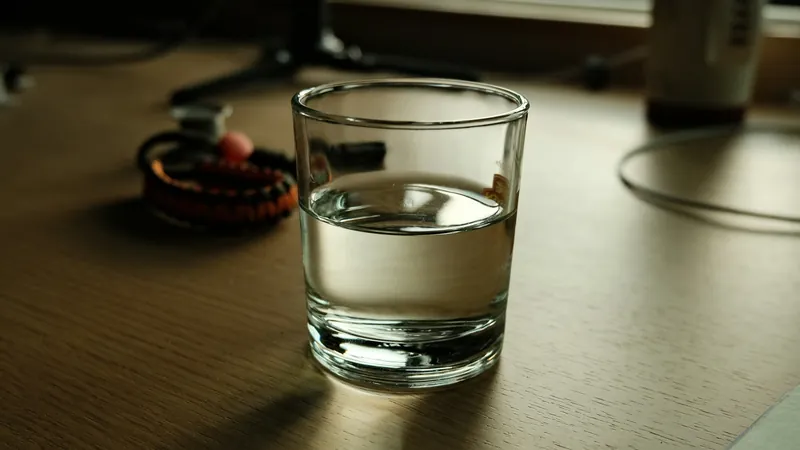
There isn't one right number for everyone. The NHS suggests 6 to 8 cups or glasses of fluid a day as a guide, and that includes tea, coffee and lower-fat milk, not just water. In the US, the National Academies found that adequately hydrated adults take in about 2.7 litres of total water a day (women) and 3.7 litres (men), but that figure counts the water in food too. How much you need depends on your body, the weather, how active you are and your health. If you'd like to drink more regularly, counting glasses against a daily goal is one of the simplest ways to see how you're really doing.
The short version
- The NHS guide is 6 to 8 glasses of fluid a day. Water, lower-fat milk and lower-sugar drinks, including tea and coffee, all count.
- Bigger numbers you might see, like 2.7 or 3.7 litres, are total water, including what's in your food.
- You may need more in hot weather, when you're active for a long time, when you're ill, or when you're pregnant or breastfeeding.
- A glass is a simple unit: one tap or one mark per glass, starting again each morning.
What the official advice says
The NHS: 6 to 8 glasses
The NHS says the UK government recommends aiming for 6 to 8 cups or glasses of fluid a day, and adds that it's just a guide. Water, lower-fat milk and lower-sugar drinks, including tea and coffee, all count towards it. You may need more if you're pregnant or breastfeeding, in a hot environment, physically active for long periods, or ill or getting over an illness.
The National Academies: total water
In 2004 the US National Academies (then the Institute of Medicine) looked at how much water people who seem well hydrated take in. Women averaged about 2.7 litres of total water a day and men about 3.7 litres, from all drinks and food. About 80 percent came from drinks and the rest from food. The panel also said that most healthy people get what they need by letting thirst be their guide, and that people who are very active or live in hot climates may need more.
The CDC: it depends
The CDC doesn't give one number for plain water. It says daily needs vary with age, sex, pregnancy, activity level and breastfeeding, that you need more in hot climates, when you're more active, or when you have a fever, diarrhoea or vomiting, and that foods with a lot of water, like many fruits and vegetables, add to your intake too.
Put together: 6 to 8 glasses is a sensible starting point, not a rule, and the right number for you can be higher or lower.
Why glasses make a good unit
You could measure everything in millilitres or ounces, but very few people do it for long. Counting glasses works because it's quick: one drink, one mark. A few tips make the count mean something:
- Use the same glass or bottle most of the time, so "a glass" is always about the same amount.
- Know roughly what it holds. If your glass holds about 250 ml, 8 glasses is about 2 litres.
- Count a bottle as what it is. A 500 ml bottle is two of those glasses, so count it as two.
- Decide what counts. The NHS counts tea, coffee and milk. If you'd rather count only water, that's fine too; just be consistent.
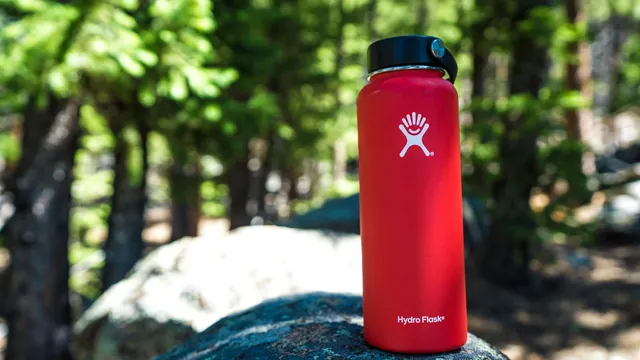
Keep count with a daily reset
The count that helps is today's count. A tally that runs on for weeks turns into a big number that doesn't tell you much, while a daily count that starts at zero every morning answers the real question: have I had enough today? To keep it going for more than a few days:
- Count straight away. Mark the glass as you finish it, not at the end of the day.
- Keep the count where you drink. On your desk, on your phone's Home Screen, on your wrist.
- Look at the week. One low day doesn't matter much. A week of low days is worth noticing.
Here's a day partway through, at 5 of 8 glasses. Tap the pad below to try it.
3 to go · today
Try it: tap the pad to reach today's goal.
Tips for drinking a little more water
- Tie it to things you already do. A glass when you wake up, one with each meal, one when you get home.
- Keep it in sight. A full bottle on your desk gets drunk; one in the bag doesn't.
- Swap, don't add. The NHS suggests swapping sugary drinks for diet or no-added-sugar versions, and water is the simplest swap of all.
- Front-load the day. It's easier to reach your goal if half of it is done by lunch.
- Add a glass when you need it. Hot days, long walks and workouts are when the extra counts.
A word on health
Most healthy people don't need to force down extra water, and more isn't always better. Some health conditions and medicines mean you need to drink less, or more, than usual. If you've been told to limit fluids, or you're not sure what's right for you, talk to your doctor and follow their advice over any general number, including the ones in this post.
Count it with Plusmark
Plusmark has a Water starter that's set up for exactly this.
- Goal: at least 8 a day to begin with. Change it in Edit Counter to the number that suits you. Tally marks fill as you go, and the counter tells you how many are left today.
- Resets: daily, at midnight. The count goes back to zero, and History keeps every day before.
- Each tap adds: 1 glass. Prefer amounts? Set each tap to 250 and count millilitres instead.
- No app to open: the small Home Screen widget and the rectangular Lock Screen widget have their own + key, and on Apple Watch the rectangular complication has one too. More in counting from a widget.
- Your week: Activity shows your total, today, your best day and how many days in a row you've counted.
To be clear about what it doesn't do: Plusmark has no reminders or notifications, and it doesn't use Apple Health. The widget and the watch keep the count in sight instead. The water counter guide has the setup, and if you're building other daily habits, see tracking habits with a counter.
Count it with Plusmark
Plusmark is the tally counter for iPhone, iPad, iPhone Duo and Apple Watch. Name a counter, tap the big + pad, and every tap is saved with its time, with goals, widgets and Siri.