Plusmark

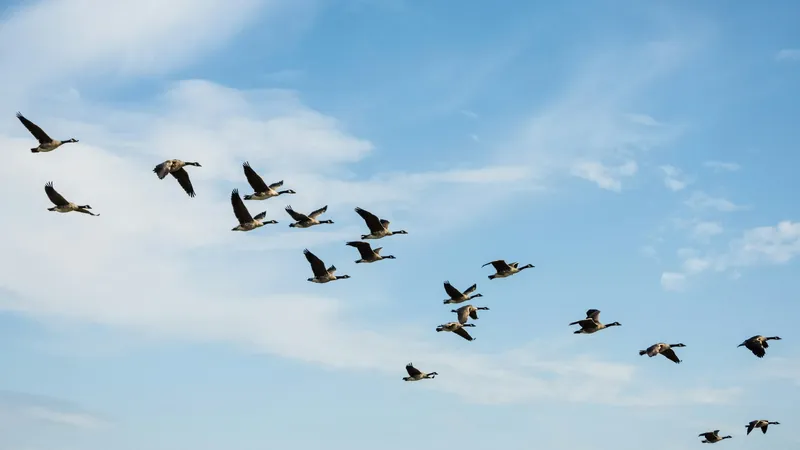
For a small group, count the birds one at a time. For a big flock, count a block of about 10, judge how much of the flock that block covers, and then step across the rest in tens (or hundreds), adding as you go. That's the method eBird and the Cornell Lab of Ornithology teach, and they're clear that a careful estimate is far more useful than no number at all. A flock you guessed at 50 that was really 40 or 63 is fine. This guide covers small groups, big flocks, birds on the move, mixed flocks and counting from a hide.
The short version
- Under about 20 birds: count every one, then count again.
- Big flocks: count 10 one by one, then use that block as a template and count the flock in tens.
- Birds coming and going at a feeder or hide: record the most you see at one time.
- Be conservative, and keep a running tally as you go instead of trying to remember it all later.
Why numbers matter
On an eBird checklist you can put an "X" to say a species was there without a count. eBird's advice is to make your best estimate instead, because an X could mean one bird or a million. Counts are what let researchers see whether a species is doing well over time.
The flip side: eBird asks you not to enter "1" unless you saw exactly one bird. A 1 is a real count, not a tick.
Small groups: count every bird
Six ducks on a log, a handful of finches on a wire: just count them. A few things help:
- Count in a fixed direction, left to right, so you don't count the same bird twice.
- Count twice and take the number you're surer of.
- Use the differences. Males and females, adults and young, or a bird in odd plumage help you tell individuals apart.
- Don't count the same bird twice on a walk. eBird's example: a male cardinal at the start of your walk and a female later makes two. A male in the same spot on your way back is probably the same bird, so leave it at one. One half a mile away is safely a second.
Big flocks: count in blocks
Once a flock is too big to count one by one, change the size of your counting step. eBird puts it simply: instead of counting by ones, count by fives or tens.
- Pick your block. Count 10 birds one by one, somewhere in the flock where they're packed about as tightly as everywhere else.
- Fix the shape in your mind. Notice how much space those 10 take up.
- Step across the flock one block at a time, counting "10, 20, 30" as you go.
- Go up a size for really big flocks. Ten blocks of 10 is 100; once you can see what 100 looks like, count in hundreds.
In eBird's example of a passing flock of storks, counting by tens gave about 100. The real number was 102, a great estimate for a few seconds' work.
Watch the depth
People usually undercount big flocks. Birds further away look more packed together, so a block at the back holds more birds than the same-sized block at the front. In one eBird example a straight count of ducks on a lake gave 180, while the real number was about 340. Allow for it: a patch at the back of a flock can hold nearly twice as many birds as the same-sized patch at the front.
Mixed flocks
When several species are mixed together, you can count each species on its own with whichever method suits it, or estimate the whole flock and then the share of each species. A flock of 10,000 gulls that looks half Western Gulls gives you about 5,000 of those. Scan the whole flock first: species are rarely spread evenly through it.
Flocks on the move
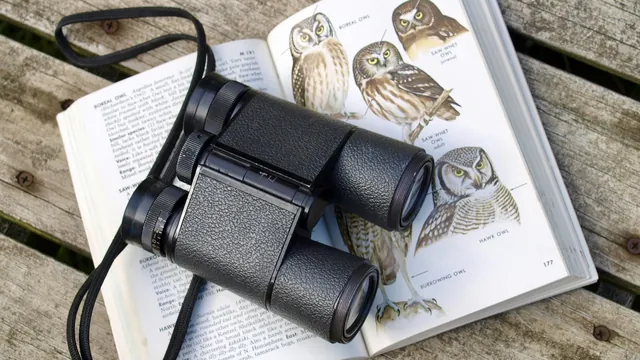
eBird describes two ways to count birds in flight:
- Count by tens as they pass. Best for a single flock heading your way. Count the first ten, then step through the rest in tens.
- Count the rate. When birds stream past for a long time, count how many pass in 1 or 5 minutes and multiply. eBird's example: 1,300 shearwaters in 5 minutes, steady for 15 minutes, makes about 3,900. If the flow changes, count a new rate.
Counting from a hide or at a feeder
At a feeder, or from a hide over a pool, the same birds come and go all the time, and adding up every arrival would count some birds many times. eBird's advice for feeders is to report the highest number you see at one time, plus any birds you can clearly tell apart. So if you see 6 female cardinals and 3 males together, and later 6 males together, you have at least 12.
From a hide, scan the whole view at regular moments, say every few minutes, count each species, and keep the highest count for each. Note anything you only see once, so it doesn't get lost among the regulars.
Tips for keeping a running tally
- Count in the moment. eBird recommends running totals for every species at least every 15 minutes, rather than reconstructing the day at home.
- One line per species. Tally marks work for the scarcer birds; for common ones, jot down a number every 15 minutes or so, like "14, 21, 32", and add them up at the end.
- Keep checklists short. Several shorter lists are easier to count, and eBird says they're better for science too.
- Beware false precision. If you counted a flock by tens, don't add 3 stragglers to make 1,113. Keep the total at the level you counted in, and only bump it when another ten has passed.
- Don't tune out the common birds. It's easy to scan a flock for something rare and come away with no count of the ordinary ones.
Count it with Plusmark
Plusmark gives you one counter per species and a + key for each, which is handy for a garden count, a walk or a morning at the hide.
- Start with the Birds starter. It never resets on its own and adds 1 a tap. Add a counter for each species or group you're counting.
- Count from the list. Every row has its own + key, so you can count five species without opening any of them.
- Count a flock in tens. Set Each tap adds to 10 (or 100) on a species you count in blocks, and every tap is one block. For a single estimate, Set Count in Edit Counter lets you type the number.
- On the Home Screen or your wrist. The Counters widget shows 3 or 6 counters, each with a + key, and on Apple Watch you swipe between counters and tap or use Double Tap.
- No signal needed. It works offline and syncs through your own iCloud later.
- Times included. History shows when each tap was made, by hour, day or month.
One honest note: Plusmark doesn't send checklists to eBird and has no file export. Share Count and History's Share send your numbers as text, which you can paste into a notebook or a survey form. The bird counter guide has the setup, and the FAQ covers widgets and sync.
Count it with Plusmark
Plusmark is the tally counter for iPhone, iPad, iPhone Duo and Apple Watch. Name a counter, tap the big + pad, and every tap is saved with its time, with goals, widgets and Siri.